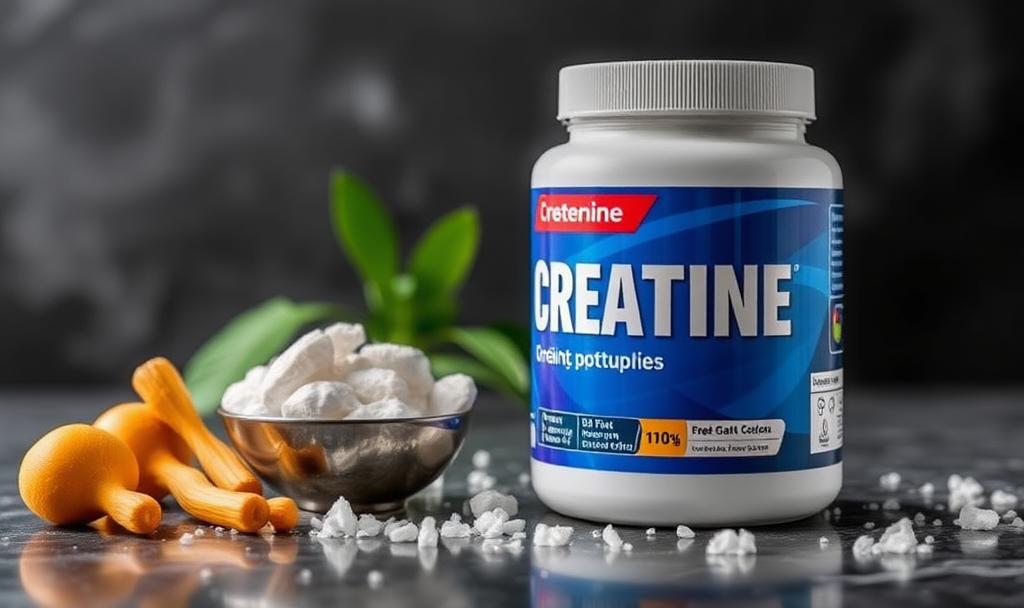
When most people think of creatine, they imagine bodybuilders downing scoops of powder before lifting heavy at the gym. But here’s the truth: creatine is not just for muscle gains anymore—it’s becoming one of the most exciting and well-researched supplements for brain health, aging, and cellular energy.
And the best part? It’s cheap, safe, and effective.
So… What Is Creatine Anyway?
Creatine is a naturally occurring molecule produced in the liver. Your body already makes it, but here’s the kicker: we don’t produce enough to reach peak performance, especially when it comes to high mental or physical demands.
That’s where supplementation comes in—and the benefits are legit.
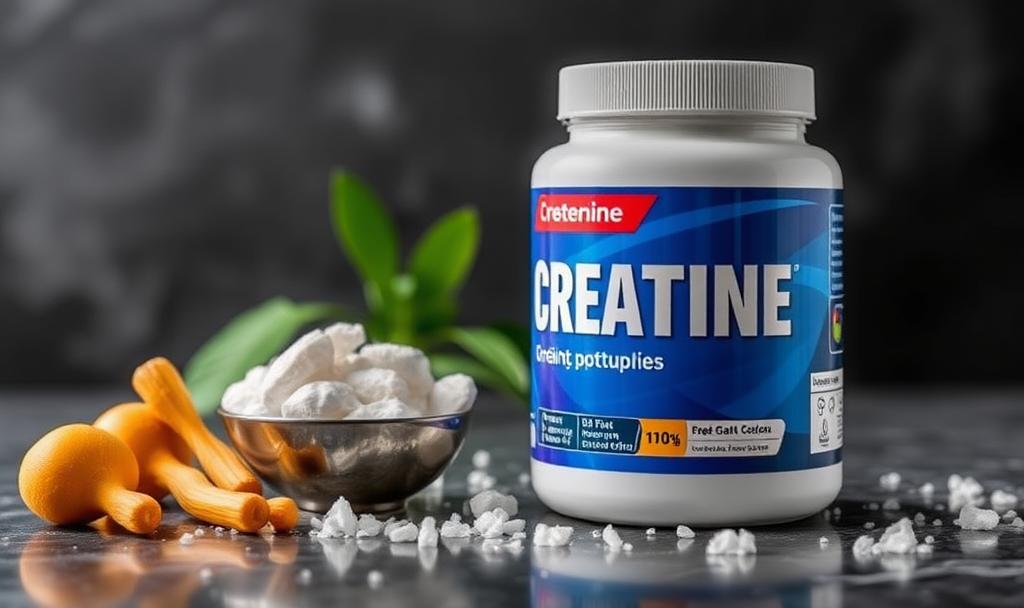
⚡️ The Twofold Power of Creatine: Brain + Body
For decades, creatine was known mostly as a sports supplement. But emerging research is changing the game:
1. Brain Health & Cognitive Performance
Creatine boosts cellular energy by increasing ATP (the energy currency of cells) production in the mitochondria.
This means more power for your brain to handle intense cognitive tasks like studying, writing, or problem-solving.
It even crosses the blood-brain barrier, though not all of it makes it through—so for mental benefits, 10–12 grams per day is recommended.
Pro Tip: Mix it in your coffee! It’s tasteless, stable in heat, and a great way to sneak it in daily (shoutout to the mom who sneaks it into her husband’s morning brew 👀).
2. Neuroprotection & Aging Support
Preclinical studies suggest creatine has neuroprotective effects, helping shield brain cells from “insults” like trauma, stroke, and even everyday environmental stress.
For postmenopausal women, it may help offset the loss of estrogen—which normally protects the brain—and support bone density, helping prevent osteopenia.
🧠 Real Talk: Who Should Take Creatine?
Honestly? Pretty much everyone 12 years and up.
For Physical Performance:
5 grams/day is a solid maintenance dose for muscle strength and recovery.
For Mental Clarity and Focus:
Up your intake to 10–12 grams/day to support cognition and brain energy, especially during mentally demanding periods.
Split the dose if you prefer, but it’s not required. Just listen to your body—if you feel bloated or uncomfortable, adjust accordingly.
☕ Creatine Myths—Busted
❌ Hair loss? Nope. Debunked. It doesn’t raise DHT levels.
❌ Kidney damage? Not a thing for healthy individuals. One study gave women 12 grams/day for two years—no kidney issues, no bloating, no side effects.
✅ How to Take Creatine Daily
Mix it in coffee, smoothies, or water.
Don’t stress about timing—it’s about consistency, not “pre vs post workout.”
If you’re traveling, try to stay consistent. Many report noticeable dips in performance or energy when they skip it.
Final Word: The Most Underrated Supplement of the Decade?
Creatine isn’t just a gym bro’s secret weapon. It’s a science-backed brain booster, a bone strengthener, and a cellular energy powerhouse—wrapped into one incredibly affordable, easy-to-use powder.
🙌 Want More Content Like This? Support the Mission 💛
I create in-depth, evidence-based wellness content because I believe health info should be empowering, not confusing. If you found this post helpful, inspiring, or share-worthy, please consider supporting me with a paid subscription.
🎓 I’m working hard to fund my kid’s college education—and every subscription helps us get one step closer.
👉 Become a paid subscriber now and join a community of wellness-minded legends.
Because good health is priceless—and so is education. 💼👩🎓
✨ Share This Post
If you enjoyed this, hit that share button, post it on socials, send it to a friend, or tattoo it on your bicep (okay maybe not the last one). Let’s get the word out!