When it comes to building muscle, most people automatically think “eat more protein.” But what if we told you that simply loading up on protein shakes isn’t the secret to stronger muscles?
In this article, we’ll break down the real nutrients your muscles need to grow, what slows down muscle growth (especially with age or hormonal changes), and what habits you can adopt to maximize muscle preservation and strength—whether you’re hitting the gym or simply trying to stay strong as you age.
💪 The Protein Myth: It’s Not About Quantity
Yes, protein is essential for muscle building, but there’s a common misconception that more protein equals more muscle. In reality, it’s the amino acids—the building blocks of protein—that your body uses to build muscle tissue. However, your body needs more than just amino acids to make this conversion happen.
What your body really needs:
✔️ Vitamins and minerals to act as coenzymes
✔️ Digestive enzymes for protein breakdown
✔️ A balanced metabolic environment (more on that later)

🧬 Essential Nutrients for Muscle Growth
To build and maintain muscle effectively, you need a variety of nutrients—not just protein. Here are the top nutrients that are commonly lacking in most diets:
1. Potassium
Required: ~4,700 mg per day
Key for muscle function and nerve signaling
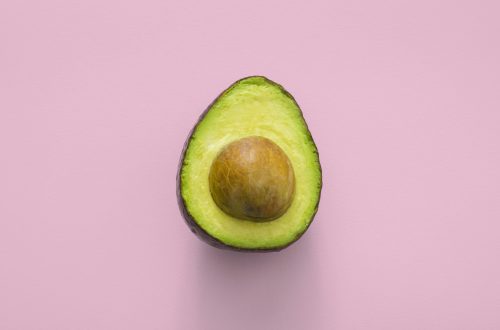
Found in leafy greens, avocados, sweet potatoes
2. Trace Minerals
Often missing due to poor soil quality
Support enzyme activity for muscle repair
Includes zinc, magnesium, selenium, and chromium
3. Fat-Soluble Vitamins (A, D, E, K)
Vital for hormone production and cell repair
Especially Vitamin D for muscle function
4. Vitamin C & B-Complex Vitamins
Essential for collagen formation and energy metabolism
Help convert amino acids into usable muscle tissue
⚠️ Common Barriers to Muscle Growth
Even with the right nutrients, certain lifestyle and metabolic factors can hinder your muscle-building efforts:
1. Insulin Resistance
High sugar/refined carb intake blocks insulin receptors
Prevents protein and amino acid absorption into cells
Common in people with prediabetes or type 2 diabetes
2. Chronic Stress
Increases cortisol (a catabolic hormone)
Leads to muscle breakdown and gluconeogenesis (turning muscle into sugar)
Especially harmful for adrenal body types
3. Poor Sleep
Reduces growth hormone production
Slows recovery and muscle repair
✅ What You Should Do to Build Muscle
Here are some proven, natural ways to support muscle growth while avoiding common pitfalls:
✅ Intermittent Fasting
Boosts human growth hormone (HGH) naturally
Promotes fat loss and muscle retention
Try 2–3 meals per day, no snacking
✅ Low-Insulin Diet
Avoid high-carb, sugary snacks and drinks like Gatorade
Replace with fatty proteins (e.g., eggs, salmon) to minimize insulin spikes
✅ Moderate Protein Intake
Ideal: 3–6 oz per meal (more ≠ better)
Excess protein stresses the liver and may spike insulin
✅ High-Intensity Interval Training (HIIT)
Stimulates HGH and preserves muscle mass
Preferable to long-distance cardio (which increases cortisol)
✅ Get Quality Sleep
Deep sleep = more growth hormone = more muscle recovery
🧠 Final Thoughts
Building muscle isn’t just about chugging protein shakes or lifting weights. It’s a holistic process involving the right nutrients, stable blood sugar, stress management, and smart eating habits.
Whether you’re facing muscle loss due to aging, insulin resistance, or just want a better strategy for building lean muscle, focusing on nutrient density and metabolic health will get you far better results than protein alone.
Disclaimer:
The information shared in this content is for educational purposes only and is not intended as medical advice. Always consult with a qualified healthcare provider before making any changes to your diet, exercise, or health routine.
Support This Work 💬
If you found this content helpful, consider becoming a paid subscriber. Your support not only helps keep this platform alive but also empowers me to continue creating evidence-based, in-depth content just for you. Every subscription makes a real difference—thank you for being part of this journey.