







Introduction
Diarrhea is a common digestive problem that most people experience at some point in life. It generally refers to loose, watery, or more frequent bowel movements than usual. In many cases, diarrhea is temporary and improves within a few days. Common causes may include viral infections, food intolerances, stress, dietary changes, or reactions to medications. However, persistent or severe diarrhea can sometimes lead to dehydration and may require medical attention.
Although occasional diarrhea is often not serious, it can still disrupt daily routines, affect hydration levels, and cause discomfort. Understanding the possible causes and warning signs can help you respond appropriately while avoiding misinformation or unsafe “quick-fix” remedies.
This guide explains how diarrhea happens, common triggers, practical ways to support recovery, and when it may be time to speak with a healthcare professional. The goal is to provide balanced, medically responsible information that supports digestive health without exaggerated claims or unnecessary fear.
Key Takeaways
- Diarrhea commonly involves loose or watery stools and increased bowel movements.
- Infections, food intolerances, medications, and digestive conditions may contribute to diarrhea.
- Hydration is especially important during episodes of diarrhea.
- Persistent, severe, or bloody diarrhea should be evaluated by a healthcare professional.
What Is Diarrhea?
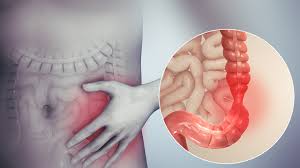
Diarrhea occurs when stool moves too quickly through the digestive tract, reducing the amount of water absorbed by the intestines. This can result in loose, watery stools and more frequent bowel movements.
Diarrhea may be:
- Acute, lasting a few days
- Persistent, lasting several weeks
- Chronic, continuing for longer periods
Acute diarrhea is often linked to infections or short-term digestive upset, while chronic diarrhea may sometimes be associated with underlying medical conditions.
How Digestion Normally Works
The digestive system absorbs nutrients and water from food as it moves through the intestines. The large intestine plays an important role in removing excess water from waste before stool leaves the body.
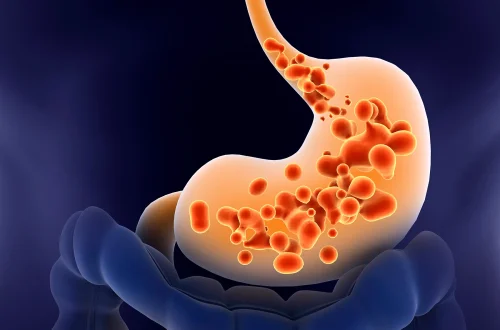
When digestion speeds up or the intestines become irritated, there may not be enough time to absorb water properly. As a result, stool becomes looser and more watery.
The Role of the Gut Microbiome
The gut microbiome helps support digestion and intestinal balance. Certain infections, antibiotics, or dietary changes may temporarily disrupt this balance and contribute to digestive symptoms such as diarrhea.
Researchers continue to study how gut bacteria influence digestive health and recovery from gastrointestinal illness.
Related article: “What Is Gut Health and Why Does It Matter?”
Why This Matters
Diarrhea Can Lead to Dehydration
One of the biggest concerns with diarrhea is fluid loss. Frequent loose stools may reduce levels of water and electrolytes in the body.
Signs of dehydration may include:
- Dry mouth
- Increased thirst
- Fatigue
- Dizziness
- Dark urine
- Reduced urination
Young children, older adults, and people with certain medical conditions may face a higher risk of dehydration.
Persistent Symptoms May Signal Underlying Conditions
While many cases of diarrhea improve on their own, chronic or recurring symptoms may sometimes point to digestive disorders, infections, or food intolerances.
Understanding when symptoms require medical attention is important for overall health and safety.
Digestive Health Affects Daily Life
Diarrhea may interfere with work, travel, sleep, exercise, and social activities. Frequent symptoms can also affect appetite and energy levels.
You may also enjoy “Signs of an Unhealthy Gut and What They May Mean.”
Common Causes / Signs / Triggers
Viral and Bacterial Infections
One of the most common causes of short-term diarrhea is infection.
Possible sources include:
- Contaminated food or water
- Viral stomach infections
- Food poisoning
- Poor food handling practices
Symptoms may include nausea, stomach cramps, vomiting, or fever alongside diarrhea.
Food Intolerances
Some individuals experience diarrhea after eating certain foods.
Common triggers may include:
- Dairy products
- Artificial sweeteners
- Spicy foods
- Fatty meals
- Certain carbohydrates
Food intolerances vary from person to person.
Antibiotic Use
Antibiotics can affect both harmful and beneficial bacteria in the gut, sometimes leading to diarrhea during or after treatment.
Always take antibiotics exactly as prescribed.
Stress and Anxiety
Stress may influence digestion and bowel habits. Some people notice diarrhea during stressful situations or periods of anxiety.
The gut and brain are closely connected through the nervous system.
Digestive Disorders
Chronic diarrhea may sometimes be linked to conditions such as:
- Irritable bowel syndrome (IBS)
- Inflammatory bowel disease (IBD)
- Celiac disease
- Chronic infections
Medical evaluation is important if symptoms continue.
Excessive Caffeine or Alcohol
Large amounts of caffeine or alcohol may stimulate the intestines and contribute to loose stools in some individuals.
Artificial Sweeteners
Certain sugar substitutes may cause digestive discomfort or diarrhea, especially in large amounts.
Common Symptoms Associated With Diarrhea
Symptoms may include:
- Loose or watery stools
- Frequent bowel movements
- Abdominal cramps
- Bloating
- Urgency
- Nausea
- Fatigue
Related topic: “Understanding Bloating: Common Causes and Practical Relief Tips.”
Practical Tips
Stay Hydrated
Replacing fluids is one of the most important steps during diarrhea.
Helpful fluids may include:
- Water
- Oral rehydration solutions
- Clear broths
- Electrolyte beverages in moderation
Small, frequent sips may feel easier to tolerate.
Choose Gentle Foods
Some people feel better eating bland, easy-to-digest foods during recovery.
Examples may include:
- Rice
- Bananas
- Toast
- Applesauce
- Oatmeal
- Plain crackers
Avoid forcing large meals if appetite is reduced.
Limit Trigger Foods Temporarily
During episodes of diarrhea, some individuals may temporarily reduce:
- Fried foods
- Alcohol
- Spicy meals
- High-fat foods
- Excess caffeine
Rest and Recovery
The body often needs time to recover from digestive illness or irritation.
Adequate sleep and reduced stress may support recovery.
Practice Good Food Safety
Proper handwashing, food storage, and cooking temperatures may help reduce the risk of foodborne illness.
Be Careful With Over-the-Counter Medications
Some anti-diarrheal medications may not be appropriate in certain situations, especially when fever or infection is involved.
Consult a healthcare provider or pharmacist if unsure.
Introduce Fiber Gradually After Recovery
Once symptoms improve, gradually returning to balanced meals with fiber-rich foods may help support digestive health.
Related article: “Best Foods for a Healthy Gut Microbiome.”
Common Mistakes to Avoid
Ignoring Signs of Dehydration
Ongoing fluid loss can become serious if not addressed promptly.
Returning to Heavy Meals Too Quickly
Large or greasy meals may worsen digestive discomfort during recovery.
Using Antibiotics Without Medical Advice
Antibiotics are not effective for all causes of diarrhea and should only be used under professional guidance.
Following Extreme Internet Remedies
Online “detox” solutions or miracle cures may lack scientific support and could worsen symptoms.
Ignoring Persistent Symptoms
Diarrhea lasting more than a few days should not always be dismissed as minor.
When to See a Doctor
You should seek medical evaluation if diarrhea is:
- Severe or persistent
- Accompanied by blood in the stool
- Associated with high fever
- Causing significant dehydration
- Linked to severe abdominal pain
- Accompanied by unexplained weight loss
- Lasting longer than several days
Children, older adults, and individuals with weakened immune systems may require earlier medical attention.
Emergency care may be needed for severe dehydration or signs of serious illness.
Frequently Asked Questions
Question 1: What is the most common cause of diarrhea?
Short-term diarrhea is often caused by viral infections, food poisoning, dietary changes, or food intolerances.
Question 2: How can I stay hydrated during diarrhea?
Drinking water, oral rehydration solutions, and clear fluids may help replace lost fluids and electrolytes.
Question 3: Should I stop eating completely during diarrhea?
Not usually. Small amounts of gentle, easy-to-digest foods may help support recovery if tolerated.
Question 4: Can stress cause diarrhea?
Yes. Stress and anxiety may affect digestion and bowel habits in some individuals.
Question 5: When does diarrhea become serious?
Medical evaluation is important if diarrhea is severe, persistent, bloody, associated with fever, or causing dehydration.
Final Thoughts
Diarrhea is a common digestive symptom that can result from infections, food intolerances, stress, medications, or underlying digestive conditions. While many cases improve within a few days, ongoing or severe symptoms deserve medical attention.
Staying hydrated, eating gentle foods, resting, and avoiding known triggers may help support recovery naturally. However, it is important to avoid self-diagnosing or relying on unverified internet remedies.
Understanding the warning signs of dehydration and knowing when to seek medical help can help protect both digestive health and overall well-being.
Medical Disclaimer
This article is for informational and educational purposes only and should not be considered medical advice. It is not intended to diagnose, treat, cure, or prevent any disease. Always consult a qualified healthcare professional regarding symptoms, dietary changes, medications, or treatment decisions.