








Introduction
The gut microbiome has become one of the most talked-about topics in modern health and nutrition. Inside the digestive system lives a vast community of bacteria, fungi, and other microorganisms that help support digestion, nutrient absorption, and immune function. While the body naturally contains both beneficial and harmful microbes, maintaining a balanced gut environment may play an important role in overall wellness.
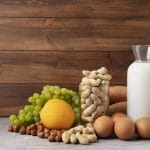
Diet is one of the biggest factors influencing the gut microbiome. The foods you eat regularly can help nourish beneficial bacteria or, in some cases, contribute to imbalance. Fortunately, many everyday foods naturally support digestive health without requiring extreme diets or expensive supplements.
A healthy gut is not about perfection or quick fixes. Instead, it is usually built through consistent eating habits that include a variety of nutrient-rich, fiber-filled foods. Understanding which foods may support gut health can help you make practical choices that fit into a balanced lifestyle.
Key Takeaways
- Fiber-rich foods help nourish beneficial gut bacteria and support digestion.
- Fermented foods may introduce helpful microorganisms into the digestive system.
- A diverse, balanced diet often supports a healthier gut microbiome.
- Long-term eating habits matter more than trendy “gut cleanse” products.
What Is the Gut Microbiome?
The gut microbiome refers to the trillions of microorganisms living inside the digestive tract. These microbes help perform important tasks in the body, including:
- Breaking down certain foods
- Supporting digestion
- Producing some vitamins
- Helping maintain the intestinal lining
- Supporting immune function
A balanced microbiome contains a variety of beneficial microorganisms. Researchers continue studying how diet and lifestyle influence this balance and overall health.
How Food Affects Gut Bacteria
Different gut bacteria feed on different nutrients. Foods rich in fiber and plant compounds may help support the growth of beneficial microbes.
Highly processed foods, excessive added sugars, and diets lacking variety may negatively affect microbial diversity over time.
No single food can completely transform gut health overnight. Instead, the overall quality and consistency of your diet play the biggest role.
Why Diversity Matters
Eating many different types of plant foods may support a wider range of beneficial bacteria. Diversity in the gut microbiome is often associated with better digestive balance.
This does not mean you need a complicated meal plan. Simple changes like rotating fruits, vegetables, grains, and legumes may help increase dietary variety naturally.
Related article: “What Is Gut Health and Why Does It Matter?”
Why This Matters
Digestive Health and Comfort
The digestive system affects everyday comfort and well-being. Supporting gut bacteria through balanced nutrition may help promote regular digestion and reduce occasional discomfort.
The Gut and Immune Function
A large part of the immune system is connected to the digestive tract. Researchers believe the gut microbiome may help support healthy immune responses.
However, gut-friendly foods should not be viewed as miracle immunity boosters. Overall health depends on many factors, including sleep, stress management, and physical activity.
Nutrient Absorption
The digestive system helps absorb nutrients from food. Maintaining digestive balance supports the body’s ability to process vitamins, minerals, proteins, fats, and carbohydrates effectively.
Long-Term Wellness Habits
Healthy gut habits are usually built over time through sustainable routines rather than restrictive diets or quick-fix trends.
Focusing on whole foods and balanced eating patterns is often more realistic and beneficial in the long run.
You may also enjoy “How to Improve Gut Health Naturally Through Diet and Lifestyle.”
Common Causes / Signs / Triggers
Low Fiber Intake
Many people consume less fiber than recommended. Since fiber acts as food for beneficial gut bacteria, low intake may affect digestive balance.
Signs associated with low fiber intake may include:
- Constipation
- Irregular bowel movements
- Feeling overly full after meals
- Digestive sluggishness
Highly Processed Foods
Diets high in heavily processed foods and added sugars may reduce microbiome diversity over time.
This does not mean occasional treats are harmful, but balance and moderation are important.
Lack of Dietary Variety
Eating the same foods repeatedly may limit exposure to different nutrients and fibers that support microbial diversity.
Stress and Poor Sleep
Stress and sleep habits may influence digestion and gut health. Many people notice digestive symptoms becoming worse during stressful periods.
Antibiotic Use
Antibiotics can temporarily affect beneficial bacteria in the gut. While antibiotics are sometimes medically necessary, balanced nutrition may help support recovery afterward.
Related topic: “Prebiotics vs Probiotics: What Is the Difference?”
Practical Tips
Eat More Fiber-Rich Vegetables
Vegetables provide fiber and nutrients that beneficial gut bacteria can use.
Good options include:
- Broccoli
- Spinach
- Carrots
- Brussels sprouts
- Sweet potatoes
- Kale
Aim to include vegetables regularly throughout the week.
Choose Whole Fruits
Whole fruits contain fiber and natural plant compounds that may support digestive health.
Examples include:
- Apples
- Bananas
- Berries
- Pears
- Oranges
- Kiwi
Eating a variety of fruits may help support microbiome diversity.
Add Fermented Foods
Fermented foods naturally contain live microorganisms that may support gut balance.
Popular options include:
- Yogurt with live cultures
- Kefir
- Sauerkraut
- Kimchi
- Miso
- Tempeh
Introduce fermented foods gradually if you are not used to them.
Include Whole Grains
Whole grains contain fiber that may help feed beneficial gut bacteria.
Examples include:
- Oats
- Brown rice
- Quinoa
- Whole wheat bread
- Barley
Replacing refined grains with whole grains may support digestive health over time.
Eat More Legumes
Beans, lentils, and chickpeas provide fiber and plant-based nutrients that support gut bacteria.
They may also help promote fullness and regular bowel movements.
Add Nuts and Seeds
Nuts and seeds contain fiber, healthy fats, and plant nutrients.
Helpful options include:
- Almonds
- Walnuts
- Chia seeds
- Flaxseeds
- Pumpkin seeds
Drink Enough Water
Hydration supports digestion and helps fiber move through the digestive system effectively.
Limit Excessive Added Sugar
Large amounts of added sugar and heavily processed foods may negatively affect dietary balance and gut health.
Moderation is generally more sustainable than strict restriction.
Eat Slowly and Mindfully
Eating too quickly may contribute to bloating or discomfort in some people.
Taking time to chew thoroughly and eat mindfully may support digestion.
Related article: “Signs of an Unhealthy Gut and What They May Mean.”
Common Mistakes to Avoid
Relying on One “Superfood”
No single food can completely fix gut health. A healthy microbiome depends on overall dietary patterns rather than one trendy ingredient.
Making Sudden Major Diet Changes
Increasing fiber too quickly may cause temporary bloating or gas. Gradual changes are often easier for the digestive system to handle.
Ignoring Hydration
Fiber works best when combined with enough water intake. Increasing fiber without hydration may worsen constipation in some individuals.
Overusing Supplements
Probiotic supplements may help certain people, but they are not always necessary for everyone.
Whole foods often provide additional nutrients and fiber that supplements do not.
Following Extreme “Gut Reset” Trends
Many online detoxes and cleanses make exaggerated claims without strong scientific support.
Balanced eating habits are usually more sustainable and realistic.
When to See a Doctor
Digestive symptoms should be medically evaluated if you experience:
- Blood in the stool
- Persistent abdominal pain
- Severe constipation or diarrhea
- Unexplained weight loss
- Ongoing nausea or vomiting
- Difficulty swallowing
- Digestive symptoms interfering with daily life
A healthcare professional can help identify possible causes and recommend appropriate care if needed.
Do not rely solely on internet information for diagnosis or treatment decisions.
Frequently Asked Questions
Question 1: What foods are best for gut bacteria?
Fiber-rich foods such as vegetables, fruits, whole grains, legumes, nuts, and fermented foods are commonly associated with supporting beneficial gut bacteria.
Question 2: Are probiotics necessary for gut health?
Not always. Many people support gut health successfully through balanced eating habits without relying heavily on supplements.
Question 3: Can diet improve gut health naturally?
Yes. Consistent dietary habits that include fiber-rich whole foods may help support digestive balance and microbiome diversity over time.
Question 4: How long does it take to improve the gut microbiome?
Changes may happen gradually over weeks or months depending on diet, lifestyle, and individual health factors.
Question 5: Are fermented foods safe for everyone?
Most people can enjoy fermented foods in moderation, but some individuals with digestive sensitivities may need to introduce them slowly or seek medical advice.
Final Thoughts
Supporting a healthy gut microbiome does not require complicated diets or expensive products. In many cases, the most effective approach is eating a balanced variety of whole foods consistently over time.
Fiber-rich vegetables, fruits, legumes, whole grains, nuts, seeds, and fermented foods may all help support digestive balance and microbial diversity. Combined with healthy lifestyle habits such as hydration, physical activity, stress management, and quality sleep, these choices may contribute to long-term digestive wellness.
Rather than chasing trends or miracle solutions, focus on sustainable habits that fit naturally into your daily life.
Medical Disclaimer
This article is for informational and educational purposes only and should not be considered medical advice. It is not intended to diagnose, treat, cure, or prevent any disease. Always consult a qualified healthcare professional regarding symptoms, dietary changes, supplements, medications, or treatment decisions.


This article is very practical. I like that it focuses on everyday foods instead of expensive supplements.
Thank you for reading and sharing your thoughts. I’m glad you found the article helpful. At Gut Health Digest, the goal is to make gut health and wellness topics easier to understand while keeping the information practical and responsible.
Please remember that this content is for educational purposes only and should not replace advice from a qualified healthcare provider, especially if symptoms are ongoing or serious.
The section about fiber-rich foods was helpful. It makes healthy eating feel more realistic and simple.
Thank you for reading and sharing your thoughts. I’m glad you found the article helpful. At Gut Health Digest, the goal is to make gut health and wellness topics easier to understand while keeping the information practical and responsible.
Please remember that this content is for educational purposes only and should not replace advice from a qualified healthcare provider, especially if symptoms are ongoing or serious.