






Introduction
Gut health has become a major focus in modern wellness conversations, and two terms often appear at the center of the discussion: prebiotics and probiotics. Although they sound similar, they serve different roles in supporting the digestive system and gut microbiome.
Probiotics are live microorganisms that may help maintain a healthy balance of gut bacteria. Prebiotics, on the other hand, are types of fiber that feed the beneficial bacteria already living in the gut. Together, they work in different but connected ways to support digestion and overall gut function.
Understanding the difference between prebiotics and probiotics can help you make more informed decisions about food choices, supplements, and daily habits. While neither is a cure-all solution, both may play a role in maintaining digestive balance when included as part of a healthy lifestyle.
This guide explains how prebiotics and probiotics work, where they come from, and why they matter for gut health.
Key Takeaways
- Probiotics are live beneficial microorganisms, while prebiotics are fibers that feed those microorganisms.
- Both prebiotics and probiotics may help support digestive health and gut balance.
- Many whole foods naturally contain prebiotics or probiotics.
- Gut health improvements usually depend on long-term lifestyle habits rather than quick fixes.
What Are Probiotics?
Probiotics are live microorganisms, mainly beneficial bacteria and yeasts, that may support the balance of microbes in the digestive system.
The body naturally contains trillions of microorganisms in the gut. Some are helpful, while others can become harmful when balance is disrupted. Probiotics may help support a healthier microbial environment in certain situations.
Probiotics are commonly found in fermented foods and dietary supplements.
Examples of Probiotic Foods
Foods that may contain live beneficial bacteria include:
- Yogurt with live cultures
- Kefir
- Sauerkraut
- Kimchi
- Miso
- Tempeh
Not all fermented foods contain live probiotics after processing, so labels may vary.
What Probiotics May Support
Research suggests probiotics may help support:
- Digestive balance
- Bowel regularity
- Recovery after antibiotic use
- Healthy immune function
However, probiotics are not a guaranteed solution for digestive problems, and effects may differ between individuals.
What Are Prebiotics?
Prebiotics are types of non-digestible fiber that feed beneficial bacteria already living in the gut.
Unlike probiotics, prebiotics are not live organisms. Instead, they act as a food source for healthy gut microbes, helping them grow and function properly.
Examples of Prebiotic Foods
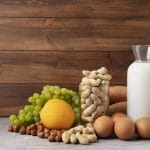
Foods naturally rich in prebiotic fibers include:
- Garlic
- Onions
- Bananas
- Oats
- Apples
- Asparagus
- Chicory root
- Beans and legumes
Many fiber-rich plant foods contain some prebiotic compounds.
How Prebiotics Work
When beneficial bacteria digest prebiotic fibers, they produce compounds called short-chain fatty acids. These compounds may help support the intestinal lining and digestive health.
Eating a variety of fiber-rich foods may help encourage greater diversity in the gut microbiome.
How Prebiotics and Probiotics Work Together
Prebiotics and probiotics often work together. Probiotics introduce beneficial microorganisms, while prebiotics help nourish those microorganisms.
Some foods and supplements combine both and are sometimes called “synbiotics.”
For example:
- Yogurt (probiotic) with oats and bananas (prebiotic)
- Kefir with berries and seeds
- Fermented foods paired with fiber-rich meals
Related article: “What Is Gut Health and Why Does It Matter?”
Why This Matters
Supporting Digestive Health
The digestive system depends on balance. A diverse gut microbiome may help support digestion, bowel regularity, and nutrient processing.
Prebiotics and probiotics are not magic solutions, but they may support healthy digestive function as part of a balanced lifestyle.
Gut Health and Immune Function
A large portion of the immune system is connected to the digestive tract. Researchers continue studying how gut bacteria influence immune responses and inflammation.
While no food or supplement can “boost” immunity instantly, maintaining gut balance may support overall wellness.
The Role of Diet in Gut Microbiome Diversity
Modern diets are often low in fiber and high in heavily processed foods. This pattern may reduce diversity among beneficial gut bacteria.
Eating a wider variety of plant-based foods may help support microbial diversity over time.
Understanding Supplements More Clearly
Many supplement products advertise gut health benefits, but it is important to understand the difference between prebiotics and probiotics before purchasing them.
Not everyone needs supplements, and results may vary depending on health conditions, diet, and lifestyle factors.
You may also enjoy “How to Improve Gut Health Naturally Through Diet and Lifestyle.”
Common Causes / Signs / Triggers
Low Fiber Intake
Many people do not consume enough dietary fiber. Low fiber intake may reduce the amount of food available for beneficial gut bacteria.
This may contribute to:
- Constipation
- Irregular digestion
- Reduced microbiome diversity
Heavy Intake of Processed Foods
Highly processed foods may negatively affect gut bacteria balance in some individuals, especially when they replace fiber-rich whole foods.
Antibiotic Use
Antibiotics are sometimes necessary for treating infections, but they may temporarily reduce beneficial bacteria along with harmful bacteria.
Some people consider probiotic foods during or after antibiotic treatment, although medical guidance may be helpful.
Digestive Symptoms
An imbalance in digestion may contribute to symptoms such as:
- Bloating
- Gas
- Constipation
- Diarrhea
- Stomach discomfort
However, these symptoms can have many different causes and should not automatically be blamed on the microbiome alone.
Stress and Poor Sleep
Stress and lack of sleep may affect digestion and gut bacteria balance. The connection between the gut and brain continues to be an important area of research.
Related topic: “Signs of an Unhealthy Gut and What They May Mean.”
Practical Tips
Eat a Variety of Plant Foods
Different gut bacteria thrive on different types of fiber. Eating a wide range of fruits, vegetables, legumes, nuts, and whole grains may support greater microbiome diversity.
Include Fermented Foods Gradually
If you are new to fermented foods, start slowly. Some people may experience temporary bloating or digestive changes when increasing probiotic-rich foods.
Focus on Whole Foods First
Whole foods naturally provide both prebiotics and probiotics without relying heavily on supplements.
Examples include:
- Yogurt with fruit and oats
- Beans with vegetables
- Whole grains and fermented foods
Stay Hydrated
Fiber works best when combined with adequate hydration. Drinking enough water supports digestion and bowel regularity.
Limit Excessive Added Sugar
High intake of added sugars and heavily processed foods may negatively affect overall dietary balance.
Read Supplement Labels Carefully
Not all probiotic supplements contain the same strains or amounts of bacteria. Some products may not be necessary for everyone.
It is best to discuss supplements with a healthcare provider if you have digestive conditions or take medications.
Be Patient With Dietary Changes
Gut health improvements generally happen gradually. Long-term consistency matters more than temporary diets or quick fixes.
Common Mistakes to Avoid
Thinking Prebiotics and Probiotics Are the Same
One common misunderstanding is assuming both terms mean the same thing. Probiotics are live microorganisms, while prebiotics are fibers that feed beneficial bacteria.
Relying Only on Supplements
Supplements may help certain individuals, but healthy eating habits remain important for long-term digestive support.
Expecting Instant Results
Changes in digestion and gut balance usually happen over time. There is rarely an overnight solution.
Following Extreme Gut Health Trends
Online “gut reset” programs and cleanses often make exaggerated claims without strong scientific evidence.
Ignoring Persistent Symptoms
Digestive symptoms that continue for weeks should not be self-diagnosed or ignored.
When to See a Doctor
You should seek medical advice if you experience:
- Severe abdominal pain
- Blood in the stool
- Persistent diarrhea or constipation
- Unexplained weight loss
- Ongoing nausea or vomiting
- Difficulty swallowing
- Digestive symptoms interfering with daily life
A healthcare professional can help determine whether symptoms are related to digestive conditions, food intolerances, infections, or other medical concerns.
Avoid relying solely on online advice for diagnosis or treatment.
Frequently Asked Questions
Question 1: Which is better, prebiotics or probiotics?
Neither is necessarily “better.” They serve different functions and may work together to support gut health.
Question 2: Can I get prebiotics and probiotics from food alone?
Yes. Many people can obtain both through a balanced diet rich in fermented foods and fiber-rich plant foods.
Question 3: Are probiotic supplements necessary?
Not always. Some individuals may benefit from supplements, but others may support gut health through diet and lifestyle habits alone.
Question 4: What foods contain both prebiotics and probiotics?
Meals combining fermented foods with fiber-rich ingredients may provide both. For example, yogurt with bananas and oats includes probiotic and prebiotic components.
Question 5: Can prebiotics cause bloating?
Some people may notice temporary bloating when increasing fiber intake quickly. Gradually adding fiber and drinking enough water may help.
Final Thoughts
Prebiotics and probiotics are closely connected but play different roles in digestive health. Probiotics introduce beneficial microorganisms, while prebiotics help nourish the healthy bacteria already living in the gut.
Rather than focusing on trendy products or miracle claims, it is usually more helpful to build sustainable habits around balanced eating, hydration, stress management, sleep, and regular physical activity.
A healthy gut is influenced by many factors, and no single food or supplement works for everyone. Small, consistent lifestyle changes often provide the most realistic path toward better digestive wellness over time.
Medical Disclaimer
This article is for informational and educational purposes only and should not be considered medical advice. It is not intended to diagnose, treat, cure, or prevent any disease. Always consult a qualified healthcare professional regarding symptoms, dietary changes, supplements, medications, or treatment decisions.


I used to confuse prebiotics and probiotics, but this article explains the difference clearly. Very helpful.
Thank you for reading and sharing your thoughts. I’m glad you found the article helpful. At Gut Health Digest, the goal is to make gut health and wellness topics easier to understand while keeping the information practical and responsible.
Please remember that this content is for educational purposes only and should not replace advice from a qualified healthcare provider, especially if symptoms are ongoing or serious.
The examples of foods that support gut bacteria make the topic easier to understand. More food examples would be great too.
Thank you for reading and sharing your thoughts. I’m glad you found the article helpful. At Gut Health Digest, the goal is to make gut health and wellness topics easier to understand while keeping the information practical and responsible.
Please remember that this content is for educational purposes only and should not replace advice from a qualified healthcare provider, especially if symptoms are ongoing or serious.