








Introduction
Constipation is a common digestive issue that affects people of all ages. It generally refers to infrequent bowel movements, difficulty passing stool, or a feeling that the bowels are not fully empty. While occasional constipation is usually temporary, ongoing symptoms can become uncomfortable and may interfere with daily life.
Many factors can contribute to constipation, including low fiber intake, dehydration, lack of physical activity, stress, changes in routine, and certain medications. In some cases, constipation may also be linked to underlying digestive or medical conditions that require professional evaluation.
The good news is that many people can support healthy bowel habits through practical lifestyle changes such as eating more fiber-rich foods, staying hydrated, and moving regularly. However, it is important to avoid relying on internet myths or extreme “cleanses” that promise quick fixes without scientific support.
Understanding the causes and prevention strategies for constipation can help you make informed choices that support long-term digestive health safely and naturally.
Key Takeaways
- Constipation commonly involves infrequent or difficult bowel movements.
- Low fiber intake, dehydration, stress, and inactivity are common contributors.
- Healthy lifestyle habits may help support regular digestion naturally.
- Persistent or severe constipation should be evaluated by a healthcare professional.
What Is Constipation?
Constipation generally refers to bowel movements that are less frequent, difficult to pass, or associated with hard stools. Bowel movement frequency varies from person to person, so constipation is not defined by one exact number alone.
Common signs may include:
- Fewer bowel movements than usual
- Hard or dry stools
- Straining during bowel movements
- Feeling unable to fully empty the bowels
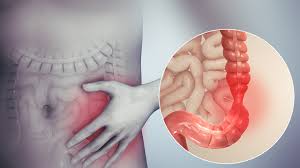
- Abdominal discomfort or bloating
Occasional constipation is common and may happen because of travel, dietary changes, illness, stress, or temporary disruptions to routine.
How Digestion and Bowel Movements Work
The digestive system processes food, absorbs nutrients, and removes waste. After nutrients are absorbed in the small intestine, waste enters the large intestine, where water is absorbed before stool leaves the body.
When stool moves too slowly through the intestines, excess water may be absorbed, causing stool to become harder and more difficult to pass.
The Role of Fiber in Digestive Health
Fiber is a plant-based nutrient that supports digestion and bowel regularity. It adds bulk to stool and may help waste move more easily through the digestive tract.
There are two main types of fiber:
- Soluble fiber, which absorbs water and forms a gel-like substance
- Insoluble fiber, which adds bulk and supports movement through the intestines
Both types can support digestive health when included as part of a balanced diet.
Related article: “Best Foods for a Healthy Gut Microbiome.”
Why This Matters
Constipation Can Affect Daily Comfort
Constipation may lead to bloating, stomach discomfort, reduced appetite, and fatigue. For some individuals, it may interfere with work, sleep, travel, or social activities.
Digestive Health Supports Overall Wellness
Regular bowel movements are part of healthy digestive function. When digestion slows down, people may feel uncomfortable or sluggish.
Maintaining healthy digestive habits may also support hydration, appetite, and general well-being.
Persistent Symptoms May Signal Underlying Issues
Although constipation is often linked to lifestyle habits, chronic constipation can sometimes be associated with digestive disorders, medication side effects, or other medical conditions.
Understanding the difference between occasional constipation and persistent symptoms may help encourage timely medical evaluation when needed.
You may also enjoy “Signs of an Unhealthy Gut and What They May Mean.”
Common Causes / Signs / Triggers
Low Fiber Intake
One of the most common causes of constipation is not eating enough fiber-rich foods.
Low-fiber diets often include:
- Highly processed foods
- Refined grains
- Low intake of fruits and vegetables
Fiber helps stool move more efficiently through the digestive tract.
Dehydration
The body needs enough water to support soft, healthy stool consistency.
Inadequate hydration may contribute to dry, hard stools that are difficult to pass.
Lack of Physical Activity
Regular movement helps stimulate digestion and bowel activity.
Long periods of inactivity or sedentary routines may contribute to slower digestion.
Ignoring the Urge to Go
Delaying bowel movements repeatedly may make constipation worse over time.
Responding to the body’s natural signals can help support regular bowel habits.
Stress and Routine Changes
Stress, travel, changes in sleep schedules, and disruptions to normal routines may affect digestion and bowel regularity.
Certain Medications
Some medications may contribute to constipation, including:
- Certain pain medications
- Some antidepressants
- Iron supplements
- Some antacids
- Certain blood pressure medications
Always discuss medication concerns with a healthcare provider before making changes.
Digestive Conditions
Persistent constipation may sometimes be associated with conditions such as:
- Irritable bowel syndrome (IBS)
- Hypothyroidism
- Pelvic floor disorders
- Neurological conditions
Proper medical evaluation is important if symptoms continue.
Common Symptoms Associated With Constipation
Symptoms may include:
- Hard stools
- Straining
- Bloating
- Abdominal pressure
- Feeling of incomplete bowel movements
- Reduced appetite
Related topic: “Understanding Bloating: Common Causes and Practical Relief Tips.”
Practical Tips
Increase Fiber Gradually
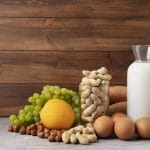
Adding more fiber-rich foods may support bowel regularity.
Helpful foods include:
- Fruits
- Vegetables
- Beans
- Lentils
- Whole grains
- Oats
- Nuts and seeds
Increase fiber slowly to reduce temporary gas or bloating.
Drink More Water
Hydration helps fiber work properly and supports softer stools.
Water intake needs vary by person, activity level, and climate.
Stay Physically Active
Movement helps support digestion and bowel function.
Helpful activities may include:
- Walking
- Stretching
- Yoga
- Swimming
- Cycling
Even moderate exercise may help encourage regular bowel movements.
Create a Consistent Bathroom Routine
Some people benefit from setting aside regular time for bowel movements, especially after meals.
Avoid rushing or ignoring the urge to go.
Limit Excessively Processed Foods
Highly processed foods may be lower in fiber and less supportive of healthy digestion.
Pay Attention to Stress Levels
Stress management may help support digestive comfort.
Helpful strategies may include:
- Meditation
- Deep breathing exercises
- Quality sleep
- Time outdoors
- Relaxation techniques
Consider Probiotic Foods
Some individuals may benefit from fermented foods such as yogurt or kefir as part of a balanced diet.
However, results vary between individuals.
Related article: “Prebiotics vs Probiotics: What Is the Difference?”
Common Mistakes to Avoid
Relying Too Heavily on Laxatives
Frequent use of laxatives without medical supervision may sometimes worsen bowel function over time.
Discuss long-term use with a healthcare provider.
Increasing Fiber Too Quickly
Sudden large increases in fiber may temporarily increase bloating or gas.
Gradual changes are often easier on digestion.
Ignoring Ongoing Symptoms
Persistent constipation should not always be dismissed as “normal.”
Following Extreme Cleanses or Detoxes
Many internet detox programs make exaggerated claims without strong scientific support.
The body naturally removes waste through normal digestive and organ function.
Not Drinking Enough Water
Increasing fiber without enough hydration may make constipation worse in some individuals.
When to See a Doctor
You should seek medical evaluation if constipation is:
- Severe or persistent
- Accompanied by blood in the stool
- Linked to unexplained weight loss
- Associated with severe abdominal pain
- Accompanied by vomiting
- Causing ongoing difficulty with daily activities
Medical evaluation is also important if bowel habits change suddenly without a clear reason.
A healthcare provider can help identify possible underlying causes and recommend appropriate treatment when needed.
Frequently Asked Questions
Question 1: How often should bowel movements happen?
Normal bowel movement frequency varies widely. Some people go several times daily, while others go a few times weekly.
Question 2: What foods help with constipation naturally?
Fiber-rich foods such as fruits, vegetables, legumes, whole grains, oats, and seeds may support regular bowel movements.
Question 3: Can stress contribute to constipation?
Yes. Stress may affect digestion and bowel habits in some individuals.
Question 4: Does drinking water help constipation?
Adequate hydration supports stool softness and digestive function, especially when increasing fiber intake.
Question 5: Is constipation always caused by diet?
No. Constipation may also be linked to medications, stress, medical conditions, or changes in routine.
Final Thoughts
Constipation is a common digestive issue that can have many possible causes, ranging from diet and hydration to stress and lifestyle habits. While occasional constipation is often temporary, persistent symptoms deserve proper attention and medical evaluation when necessary.
Healthy habits such as eating more fiber-rich foods, staying hydrated, exercising regularly, and maintaining consistent routines may help support natural digestive function over time.
Rather than relying on quick fixes or extreme detoxes, focus on sustainable lifestyle changes that support long-term gut health and overall well-being.
Medical Disclaimer
This article is for informational and educational purposes only and should not be considered medical advice. It is not intended to diagnose, treat, cure, or prevent any disease. Always consult a qualified healthcare professional regarding symptoms, dietary changes, medications, or treatment decisions.



The advice here feels practical and safe. Hydration, fiber, and movement are simple things many people can start with.
Thank you for reading and sharing your thoughts. I’m glad you found the article helpful. At Gut Health Digest, the goal is to make gut health and wellness topics easier to understand while keeping the information practical and responsible.
Please remember that this content is for educational purposes only and should not replace advice from a qualified healthcare provider, especially if symptoms are ongoing or serious.