








Introduction
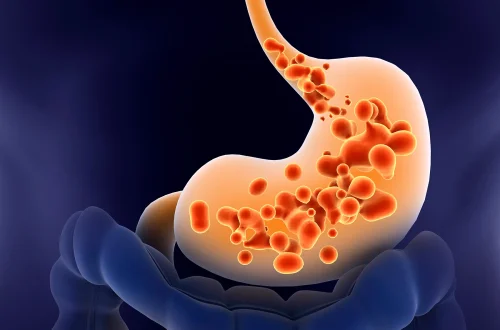
Irritable bowel syndrome, commonly known as IBS, is a long-term digestive condition that affects the large intestine. It is one of the most common gastrointestinal disorders and may cause symptoms such as abdominal pain, bloating, constipation, diarrhea, or changes in bowel habits. While IBS does not typically damage the digestive tract, its symptoms can significantly affect comfort, daily routines, and quality of life.
The exact cause of IBS is not fully understood, and symptoms often vary from person to person. Factors such as stress, diet, gut sensitivity, infections, and changes in the gut microbiome may all play a role. Some people experience occasional flare-ups, while others deal with symptoms more regularly.
Although there is no single cure for IBS, many individuals find that lifestyle changes, stress management, and dietary adjustments can help reduce symptoms over time. Understanding common triggers and management strategies may help support better digestive comfort and overall well-being.
Key Takeaways
- IBS is a common digestive condition that affects bowel habits and abdominal comfort.
- Symptoms may include bloating, abdominal pain, constipation, diarrhea, or a mix of both.
- Stress, diet, food sensitivities, and gut-brain interactions may contribute to IBS symptoms.
- Managing IBS often involves long-term lifestyle adjustments and professional medical guidance.
What Is Irritable Bowel Syndrome (IBS)?
IBS is a functional gastrointestinal disorder, meaning it affects how the digestive system works rather than causing visible structural damage. People with IBS often experience recurring digestive symptoms that may come and go over time.
IBS is commonly grouped into different types based on bowel habits:
- IBS-C: constipation-predominant
- IBS-D: diarrhea-predominant
- IBS-M: mixed constipation and diarrhea
Symptoms can range from mild to severe and may vary greatly between individuals.
How IBS Affects Digestion
The digestive tract uses muscles and nerves to move food through the intestines. In IBS, these movements may become overly sensitive or irregular.
This may contribute to:
- Faster bowel movements and diarrhea
- Slower bowel movements and constipation
- Abdominal cramping
- Gas and bloating
The gut-brain connection may also influence symptoms. Stress and emotional health can affect digestion, while digestive symptoms may increase stress and discomfort.
The Gut-Brain Connection
Researchers believe communication between the digestive system and nervous system plays a role in IBS. The intestines contain a large network of nerves that constantly communicate with the brain.
Stress and anxiety do not directly “cause” IBS, but they may worsen symptoms in some individuals.
Related article: “What Is Gut Health and Why Does It Matter?”
Why This Matters
IBS Can Affect Daily Life
Although IBS is not usually considered life-threatening, symptoms can interfere with work, travel, sleep, exercise, and social activities.
Many individuals with IBS feel frustrated by unpredictable flare-ups or food-related symptoms.
Symptoms May Overlap With Other Conditions
IBS symptoms can resemble those of other digestive disorders, including inflammatory bowel disease (IBD), food intolerances, or celiac disease.
Proper medical evaluation is important before assuming symptoms are caused by IBS alone.
Long-Term Management Often Requires Lifestyle Changes
IBS is typically managed over time rather than “cured” instantly. Understanding personal triggers and healthy habits may help reduce symptom frequency and severity.
You may also enjoy “Signs of an Unhealthy Gut and What They May Mean.”
Common Causes / Signs / Triggers
Common IBS Symptoms
Symptoms may include:
- Abdominal pain or cramping
- Bloating
- Gas
- Constipation
- Diarrhea
- Alternating constipation and diarrhea
- Feeling of incomplete bowel movements
- Urgency to use the bathroom
Symptoms often improve temporarily after bowel movements in some individuals.
Food Triggers
Certain foods may worsen IBS symptoms for some people.
Common triggers may include:
- Fatty or fried foods
- Spicy foods
- Dairy products
- Carbonated beverages
- Artificial sweeteners
- Large meals
- Certain high-FODMAP foods
Food triggers vary widely from person to person.
Stress and Emotional Health
Stress may increase gut sensitivity and worsen digestive symptoms in some individuals.
Stress-related flare-ups are common, especially during major life changes or emotional strain.
Changes in Gut Bacteria
Researchers continue studying the role of the gut microbiome in IBS. Some individuals notice symptoms after infections, antibiotics, or major dietary changes.
Hormonal Changes
Some people experience worsening IBS symptoms during hormonal fluctuations, including menstrual cycles.
Sleep Problems
Poor sleep may affect digestion and increase stress levels, potentially contributing to symptom flare-ups.
Infections and Food Poisoning
Some individuals develop IBS symptoms after gastrointestinal infections, a condition sometimes called post-infectious IBS.
Related topic: “Prebiotics vs Probiotics: What Is the Difference?”
Practical Tips
Track Personal Triggers
Keeping a food and symptom journal may help identify patterns between meals, stress levels, and IBS symptoms.
This can support more informed conversations with healthcare providers.
Eat Smaller, Balanced Meals
Large meals may increase digestive discomfort for some individuals.
Smaller meals eaten more regularly may feel easier to tolerate.
Increase Fiber Carefully
Some people with constipation-predominant IBS may benefit from fiber, but increasing it too quickly may worsen bloating or gas.
Gradual changes are often best.
Stay Hydrated
Drinking enough water supports digestion and bowel regularity, especially when increasing fiber intake.
Manage Stress
Stress management may help reduce symptom flare-ups.
Helpful strategies may include:
- Meditation
- Deep breathing exercises
- Walking
- Yoga
- Counseling or therapy
- Relaxation techniques
Exercise Regularly
Regular movement supports digestion and may help improve stress levels and bowel function.
Even moderate activities like walking may be beneficial.
Limit Known Trigger Foods
Avoiding specific foods that consistently worsen symptoms may help reduce flare-ups.
However, avoid extremely restrictive diets without professional guidance.
Prioritize Sleep
Consistent sleep habits may support both digestive and emotional health.
Related article: “How to Improve Gut Health Naturally Through Diet and Lifestyle.”
Common Mistakes to Avoid
Self-Diagnosing IBS
Digestive symptoms can overlap with many conditions. Proper medical evaluation is important before assuming IBS is the cause.
Cutting Out Too Many Foods
Overly restrictive diets may lead to nutritional deficiencies and unnecessary stress.
Work with a healthcare provider or dietitian if major dietary changes are needed.
Ignoring Stress and Mental Health
Stress management is often an important part of long-term IBS support.
Expecting Immediate Results
Managing IBS often requires patience and gradual lifestyle adjustments rather than quick fixes.
Following Unverified Internet Advice
Many online “IBS cures” lack scientific support and may even worsen symptoms.
When to See a Doctor
You should seek medical evaluation if you experience:
- Blood in the stool
- Unexplained weight loss
- Severe abdominal pain
- Ongoing vomiting
- Persistent diarrhea
- Symptoms waking you during sleep
- Difficulty eating
- Fever alongside digestive symptoms
Medical evaluation is especially important if symptoms begin suddenly or worsen over time.
A healthcare provider can help rule out other digestive conditions and recommend appropriate management strategies.
Frequently Asked Questions
Question 1: What causes IBS?
The exact cause is not fully understood. Researchers believe gut sensitivity, stress, digestion changes, infections, and the gut-brain connection may all play roles.
Question 2: Is IBS the same as inflammatory bowel disease (IBD)?
No. IBS is a functional digestive disorder, while IBD involves inflammation and damage to the digestive tract.
Question 3: Can stress worsen IBS symptoms?
Yes. Stress and emotional strain may trigger or worsen IBS symptoms in some individuals.
Question 4: What foods commonly trigger IBS symptoms?
Common triggers may include fatty foods, dairy products, spicy meals, carbonated beverages, and certain carbohydrates.
Question 5: Can IBS be cured permanently?
There is currently no known cure for IBS, but many people manage symptoms successfully through lifestyle adjustments and medical guidance.
Final Thoughts
Irritable bowel syndrome is a common digestive condition that can affect comfort, bowel habits, and daily routines. While symptoms may be frustrating, many people are able to improve symptom control through practical lifestyle adjustments, stress management, and personalized dietary changes.
Because IBS symptoms vary widely between individuals, there is no one-size-fits-all solution. Understanding personal triggers and seeking professional medical guidance when needed can help support long-term digestive wellness and better quality of life.
Rather than chasing miracle cures or internet trends, focus on balanced habits and realistic strategies that support both gut health and overall well-being.
Medical Disclaimer
This article is for informational and educational purposes only and should not be considered medical advice. It is not intended to diagnose, treat, cure, or prevent any disease. Always consult a qualified healthcare professional regarding symptoms, dietary changes, medications, or treatment decisions.