








Introduction
Fiber is an important part of a healthy diet, yet many people do not get enough of it in their daily meals. Found naturally in plant-based foods such as fruits, vegetables, whole grains, legumes, nuts, and seeds, fiber plays a key role in digestion and overall wellness. Although it is best known for helping support regular bowel movements, fiber also contributes to heart health, blood sugar balance, and gut microbiome diversity.
Unlike other carbohydrates, fiber is not fully digested by the body. Instead, it moves through the digestive tract and supports several important functions along the way. Different types of fiber provide different benefits, making variety an important part of a balanced eating pattern.
Understanding how fiber works may help you make more informed food choices without relying on trendy diets or exaggerated health claims. This guide explains how fiber supports digestion and heart health, common signs of low fiber intake, and practical ways to increase fiber safely and naturally.
Key Takeaways
- Fiber supports digestion, bowel regularity, and gut microbiome balance.
- Certain types of fiber may help support heart health and cholesterol management.
- Fruits, vegetables, legumes, whole grains, nuts, and seeds are excellent fiber sources.
- Increasing fiber gradually and staying hydrated may help reduce digestive discomfort.
What Is Fiber?
Fiber is a type of carbohydrate found in plant foods that the body cannot fully digest. Instead of being broken down completely like sugars or starches, fiber moves through the digestive system and supports several important bodily functions.
There are two main types of dietary fiber:
Soluble Fiber
Soluble fiber dissolves in water and forms a gel-like substance during digestion.
It is found in foods such as:
- Oats
- Beans
- Apples
- Citrus fruits
- Barley
- Chia seeds
Soluble fiber may help support cholesterol balance and blood sugar control.
Insoluble Fiber
Insoluble fiber does not dissolve in water. It adds bulk to stool and helps food move through the digestive tract more efficiently.
Sources include:
- Whole grains
- Wheat bran
- Vegetables
- Nuts
- Seeds
Both types of fiber support digestive health in different ways.
How Fiber Supports Digestion
Fiber helps promote regular bowel movements by increasing stool bulk and supporting movement through the intestines.
It may also help:
- Reduce constipation
- Support healthy gut bacteria
- Improve feelings of fullness
- Promote digestive regularity
Certain fibers act as prebiotics, meaning they help feed beneficial bacteria in the gut microbiome.
Fiber and the Gut Microbiome
Beneficial gut bacteria ferment some forms of fiber and produce compounds called short-chain fatty acids. These compounds may help support the intestinal lining and digestive balance.
Eating a variety of fiber-rich foods may encourage greater microbial diversity in the gut.
Related article: “Best Foods for a Healthy Gut Microbiome.”
Why This Matters
Digestive Health Affects Daily Comfort
Digestive discomfort such as constipation, bloating, or irregular bowel movements may sometimes be linked to low fiber intake.
Balanced fiber intake may help support more comfortable digestion and bowel regularity over time.
Fiber and Heart Health
Some forms of soluble fiber may help support heart health by assisting with cholesterol management.
Research suggests diets rich in fiber-containing foods are associated with overall cardiovascular wellness when combined with healthy lifestyle habits.
Fiber-rich foods may also help support healthy blood pressure and weight management.
Supporting Long-Term Wellness
Fiber-rich foods often provide important vitamins, minerals, antioxidants, and plant compounds that support overall health.
Eating more whole plant foods may contribute to better long-term dietary balance.
You may also enjoy “How to Improve Gut Health Naturally Through Diet and Lifestyle.”
Common Causes / Signs / Triggers
Low Fiber Intake
Many people consume less fiber than recommended due to diets high in processed or refined foods.
Low-fiber eating patterns may contribute to:
- Constipation
- Irregular digestion
- Reduced feelings of fullness
- Digestive sluggishness
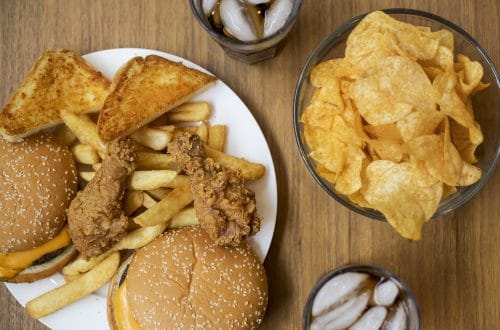
Highly Processed Foods
Highly processed foods often contain lower amounts of natural fiber compared to whole foods.
Examples include:
- White bread
- Sugary snacks
- Fast food
- Refined cereals
Not Drinking Enough Water
Fiber works best when combined with proper hydration. Without enough fluid intake, increasing fiber too quickly may worsen constipation or bloating.
Sudden Large Increases in Fiber
Adding too much fiber too quickly may temporarily cause:
- Gas
- Bloating
- Abdominal discomfort
Gradual increases are usually easier for the digestive system to handle.
Common Signs You May Need More Fiber
Possible signs of low fiber intake may include:
- Constipation
- Irregular bowel movements
- Feeling hungry soon after meals
- Digestive discomfort
- Low intake of fruits and vegetables
Related topic: “Constipation: Causes, Prevention, and Natural Support.”
Practical Tips
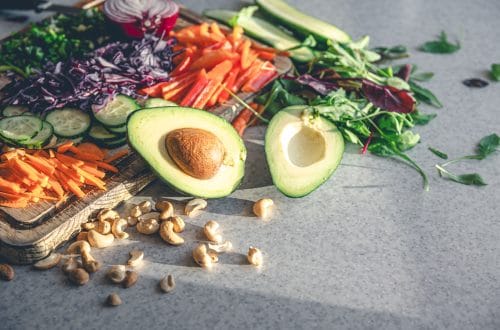
Start With Whole Foods
One of the easiest ways to increase fiber naturally is by choosing more whole plant foods.
Examples include:
- Fruits
- Vegetables
- Whole grains
- Beans
- Lentils
- Nuts and seeds
Choose Whole Grains More Often
Replacing refined grains with whole grains may increase fiber intake gradually.
Helpful swaps may include:
- Brown rice instead of white rice
- Whole wheat bread instead of white bread
- Oatmeal instead of sugary cereals
Add More Legumes
Beans, lentils, and chickpeas are rich in both fiber and plant-based nutrients.
They can be added to:
- Soups
- Salads
- Grain bowls
- Stews
Snack on Fiber-Rich Foods
Simple snack ideas may include:
- Apple slices with peanut butter
- Nuts and seeds
- Fresh berries
- Carrot sticks
- Air-popped popcorn
Increase Fiber Gradually
Slow increases may help reduce temporary digestive discomfort.
Try adding one or two high-fiber foods at a time rather than making sudden major changes.
Drink Enough Water
Hydration supports fiber’s role in digestion and stool softness.
Read Food Labels Carefully
Packaged foods labeled as “whole grain” or “high fiber” may vary widely in nutritional quality.
Focus on foods with naturally higher fiber content whenever possible.
Include Fiber at Most Meals
Balanced meals containing vegetables, fruits, legumes, or whole grains may support steady fiber intake throughout the day.
Related article: “Prebiotics vs Probiotics: What Is the Difference?”
Common Mistakes to Avoid
Increasing Fiber Too Quickly
Sudden major increases in fiber may cause bloating or gas.
Gradual adjustments are often more comfortable.
Ignoring Hydration
Fiber without enough water may worsen constipation in some individuals.
Relying Only on Supplements
Fiber supplements may help some people, but whole foods provide additional nutrients and plant compounds.
Overlooking Processed Foods
Foods marketed as “healthy” may still be low in fiber if heavily processed.
Avoiding Fiber Completely Due to Temporary Bloating
Mild digestive adjustment may happen when increasing fiber intake, especially if intake was previously low.
Temporary discomfort does not always mean fiber should be avoided entirely.
When to See a Doctor
You should seek medical evaluation if you experience:
- Persistent constipation
- Severe abdominal pain
- Blood in the stool
- Ongoing diarrhea
- Unexplained weight loss
- Difficulty eating
- Significant digestive changes
A healthcare provider can help determine whether symptoms are related to diet, digestive conditions, medications, or other medical concerns.
Medical guidance is especially important before making major dietary changes if you have chronic digestive disorders.
Frequently Asked Questions
Question 1: What foods are highest in fiber?
Fiber-rich foods include fruits, vegetables, beans, lentils, oats, nuts, seeds, and whole grains.
Question 2: How does fiber help digestion?
Fiber supports bowel regularity, adds bulk to stool, and may help support beneficial gut bacteria.
Question 3: Can fiber support heart health?
Some forms of soluble fiber may help support cholesterol management and overall cardiovascular health as part of a balanced diet.
Question 4: Why does fiber sometimes cause bloating?
Increasing fiber too quickly may temporarily increase gas or bloating while the digestive system adjusts.
Question 5: Should I take fiber supplements?
Some individuals may benefit from supplements, but many people can meet their fiber needs through balanced eating habits and whole foods.
Final Thoughts
Fiber plays an important role in both digestive and heart health. From supporting regular bowel movements to helping nourish beneficial gut bacteria, fiber-rich foods contribute to many aspects of overall wellness.
Rather than focusing on quick fixes or trendy supplements, building consistent habits around whole plant foods may provide long-term benefits for digestion and cardiovascular health alike.
Small changes such as adding more fruits, vegetables, legumes, and whole grains to daily meals can make a meaningful difference over time. As always, persistent digestive symptoms or major dietary concerns should be discussed with a qualified healthcare professional.
Medical Disclaimer
This article is for informational and educational purposes only and should not be considered medical advice. It is not intended to diagnose, treat, cure, or prevent any disease. Always consult a qualified healthcare professional regarding symptoms, dietary changes, medications, or treatment decisions.



I like how this article explains fiber beyond digestion. The connection between fiber, gut health, and heart health is very useful.
Thank you for reading and sharing your thoughts. I’m glad you found the article helpful. At Gut Health Digest, the goal is to make gut health and wellness topics easier to understand while keeping the information practical and responsible.
Please remember that this content is for educational purposes only and should not replace advice from a qualified healthcare provider, especially if symptoms are ongoing or serious.